
Latest News
Smart Health Design event
Organized under the scientific coordination of Professor Enrico Vezzetti, the Politecnico di Torino’s representative for the Aosta Valley, the event Smart Health Design: Intelligent Technologies and AI-Driven Methodologies for Healthcare Innovation brought together academic leaders, including Rectors Stefano Paolo Corgnati and Manuela Ceretta, alongside regional institutional figures, including Aosta Valley President Renzo Testolin and Vice President of the Region and Regional Councilor for Economic Development, Training and Labor, Transport, and Sustainable Mobility Luigi Giovanni Bertschy and prestigious physicians, among which prof. Guglielmo Ramieri, Head of the S.C. Maxillofacial Surgery, A.O.U. Città della Salute e della Scienza di Torino, University of Turin, Faculty of Medicine.
The symposium focused on the integration of digital health and artificial intelligence, exploring how virtual design and personalized surgical tools are transforming precision surgery and clinical cooperation models. Moreover, following technical insights into personalized MedTech solutions for cranio-maxillofacial surgery, the 3D LAB team led an intensive demo session of the Design for Augmented Surgery (DAS) project. In collaboration with Blue Engineering and the Umberto Parini Regional Hospital, the lab showcased cutting-edge demonstrations of how advanced engineering methodologies are being applied to real-world clinical challenges, bridging the gap between digital modeling and the operating theater.
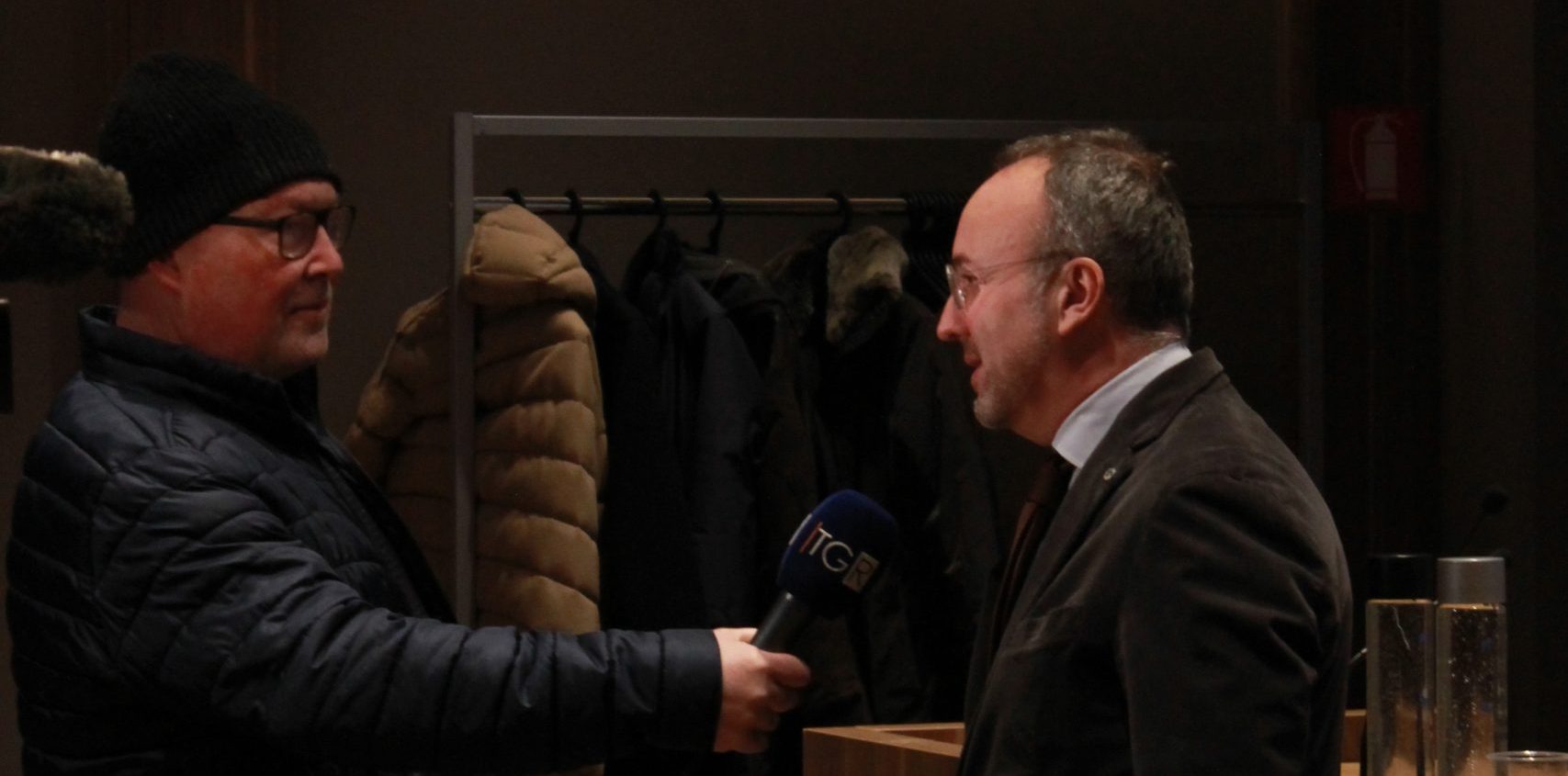
The TGR Valle d’Aosta news report is available here.
Download the event program here
Next Event
Biennale Tecnologia 2026

Augmented Surgery for Healthcare 5.0 – 3D LAB, April 2026
In the high-stakes environment of a modern surgical suite, the Augmented Surgery for Healthcare 5.0 demonstration reveals a seamless blend of human expertise and digital precision.
The demo will center around a high-fidelity patient mock-up serving as the canvas for a sophisticated optical tracking positioning system. This system maintains constant awareness of the surgical environment, bridging the gap between physical anatomy and digital data. As the surgeon handles the guide prototypes, they do not need to look away at a traditional monitor; instead, an Augmented Reality headset overlays a digital roadmap directly onto their field of vision. Through this immersive feedback, holographic markers indicate the perfect trajectory and depth, providing instant visual cues to ensure the minimally invasive instruments are positioned with absolute accuracy.
By utilizing these tools in tandem, the system eliminates the traditional challenges of navigating complex angles, representing the core of Healthcare 5.0 where technology elevates a surgeon’s physical capabilities through real-time, intuitive data visualization.
Research
The research activities of the 3D LAB are framed within the paradigm of Virtual-Human Interaction, which encompasses methodologies, technologies, and applications enabling advanced, immersive, and intelligent interaction between humans and digital systems.
Rather than treating technology as a passive tool, this paradigm positions it as an active, adaptive partner, capable of perceiving, interpreting, and responding to human behavior in real time. By integrating virtual and augmented reality, artificial intelligence, data analysis, and computational modeling, Virtual-Human Interaction enables a new generation of systems that are not only functional, but also responsive, contextual, and human-aware.
This vision supports decision-making, enhances user experience, and fosters new forms of collaboration between humans and machines across domains such as healthcare, industry, education, and social inclusion. Within this unified framework, the research of the 3D LAB is articulated into four main areas:
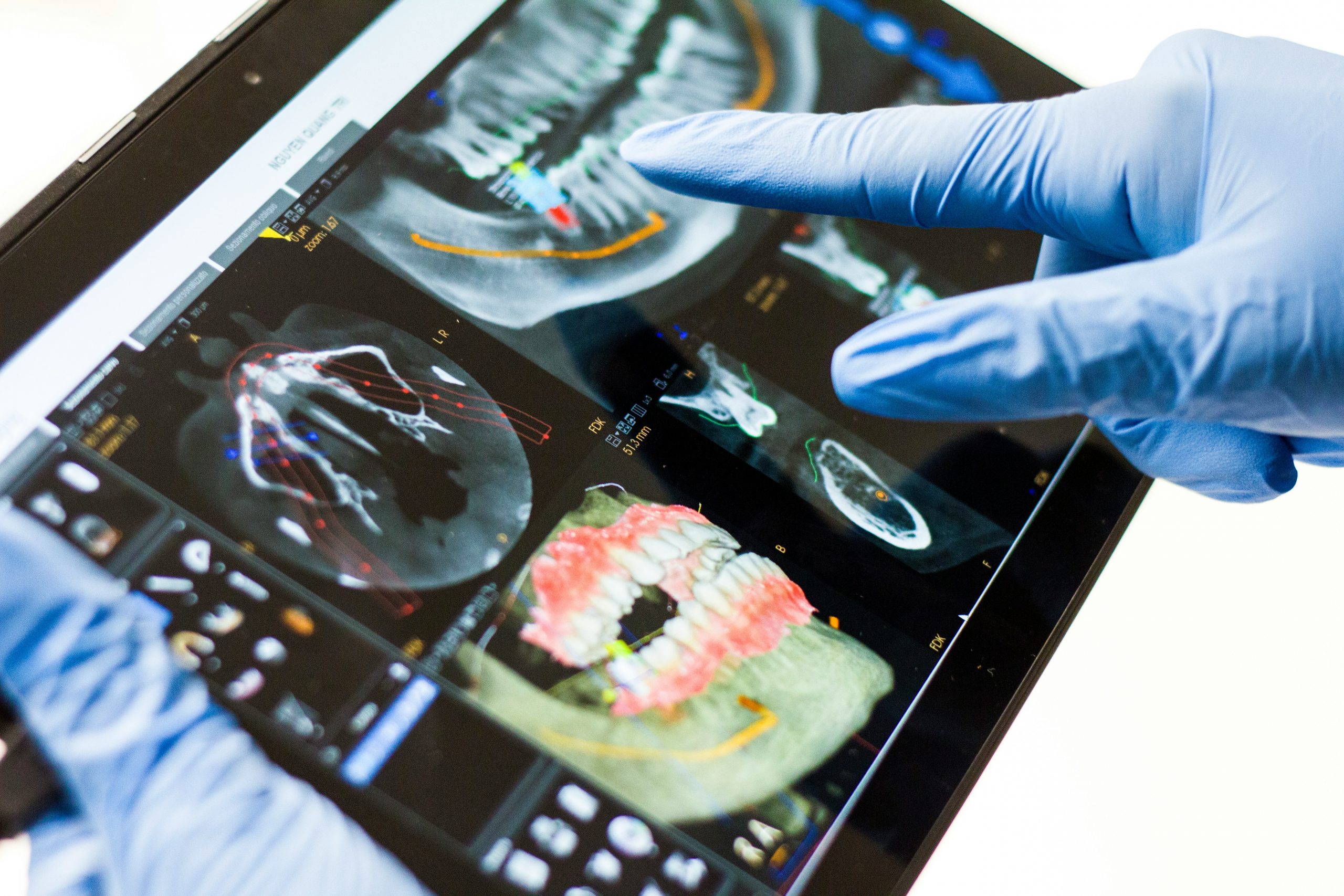
AI-driven healthcare continuum

Human-Machine Interaction and
User-Centered Design
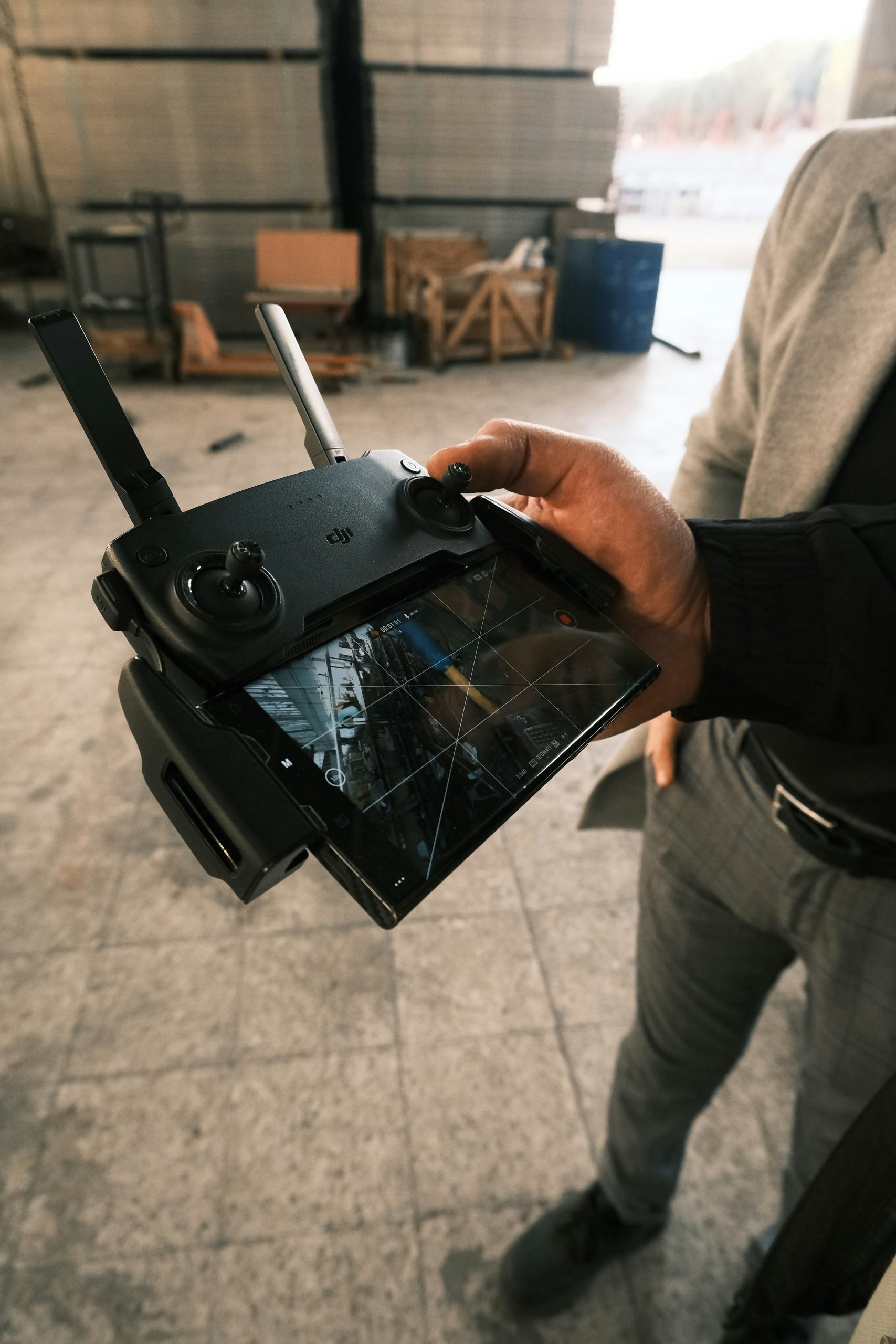
Industry 4.0 and 5.0

Technological Innovation for Inclusion and Social Applications
AI-driven healthcare continuum
AI-driven healthcare continuum
Education
The 3D LAB group covers the demands on education in the following disciplinary and interdisciplinary areas:
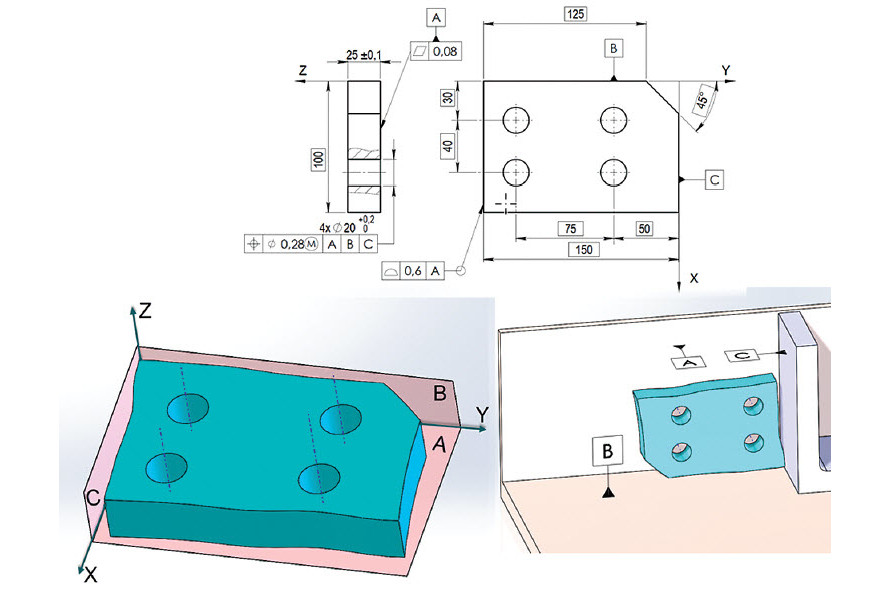
Machine Functional Modelling

Engineering Drawing
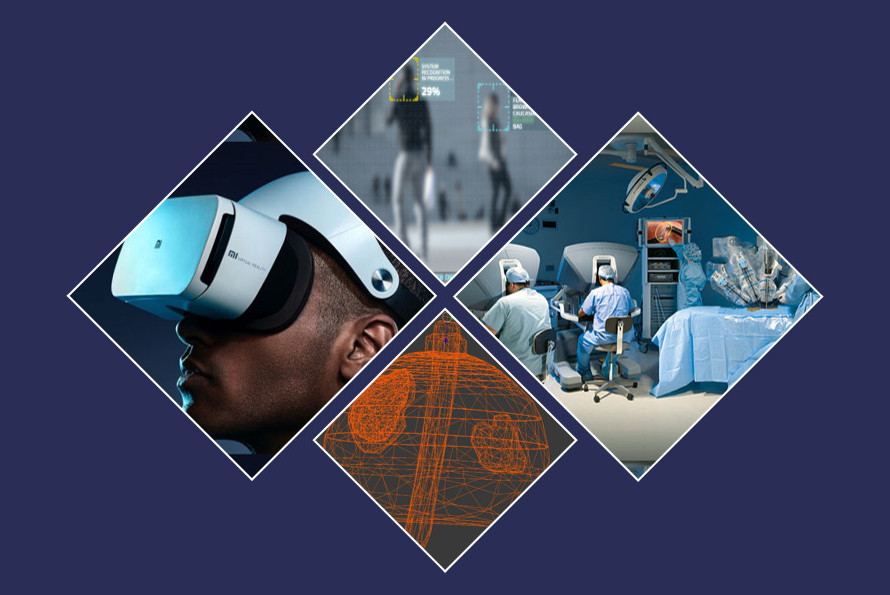
Biometrics-based solutions in 3D Graphics
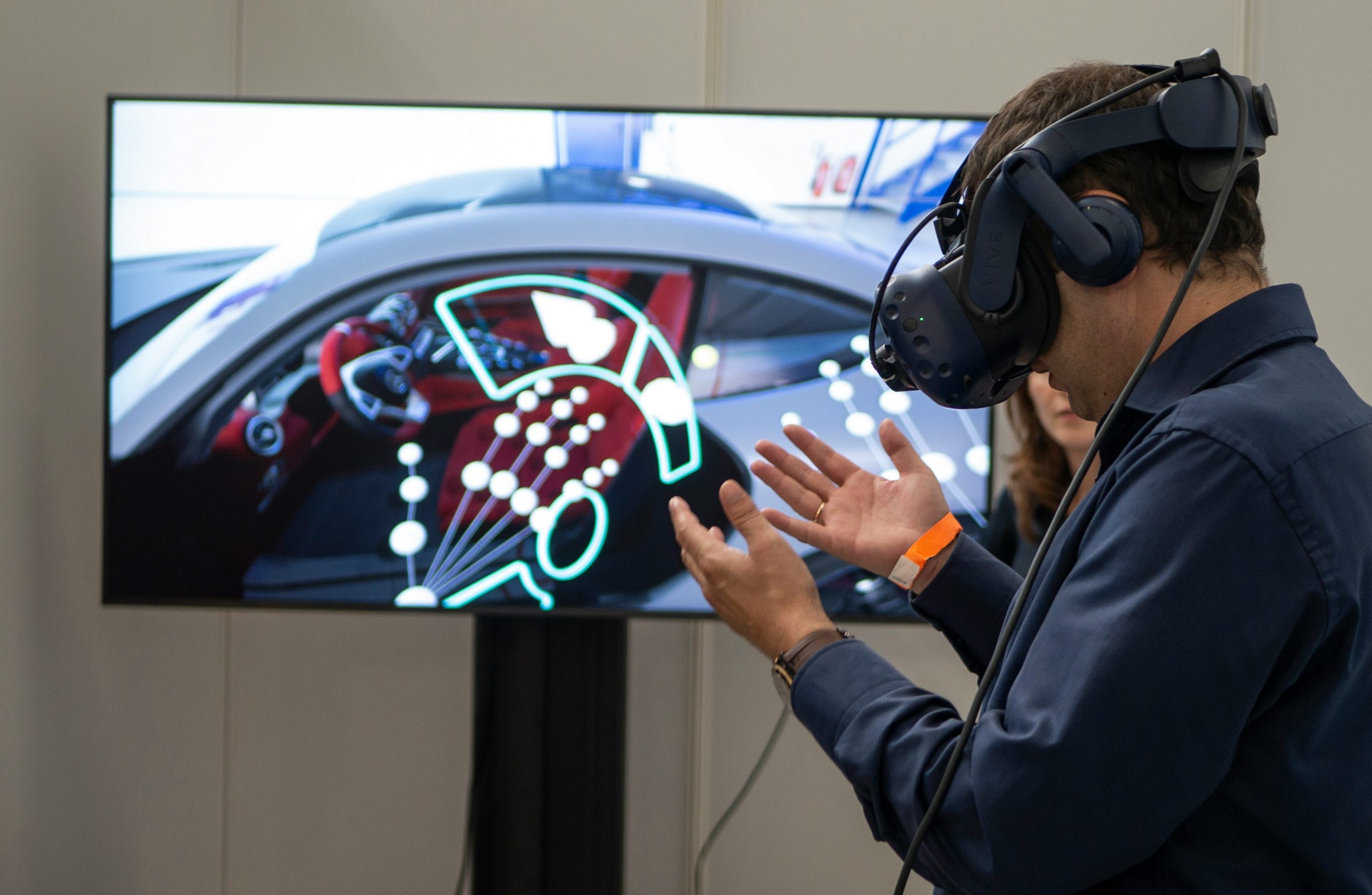
Introduction to human-machine interaction in industry
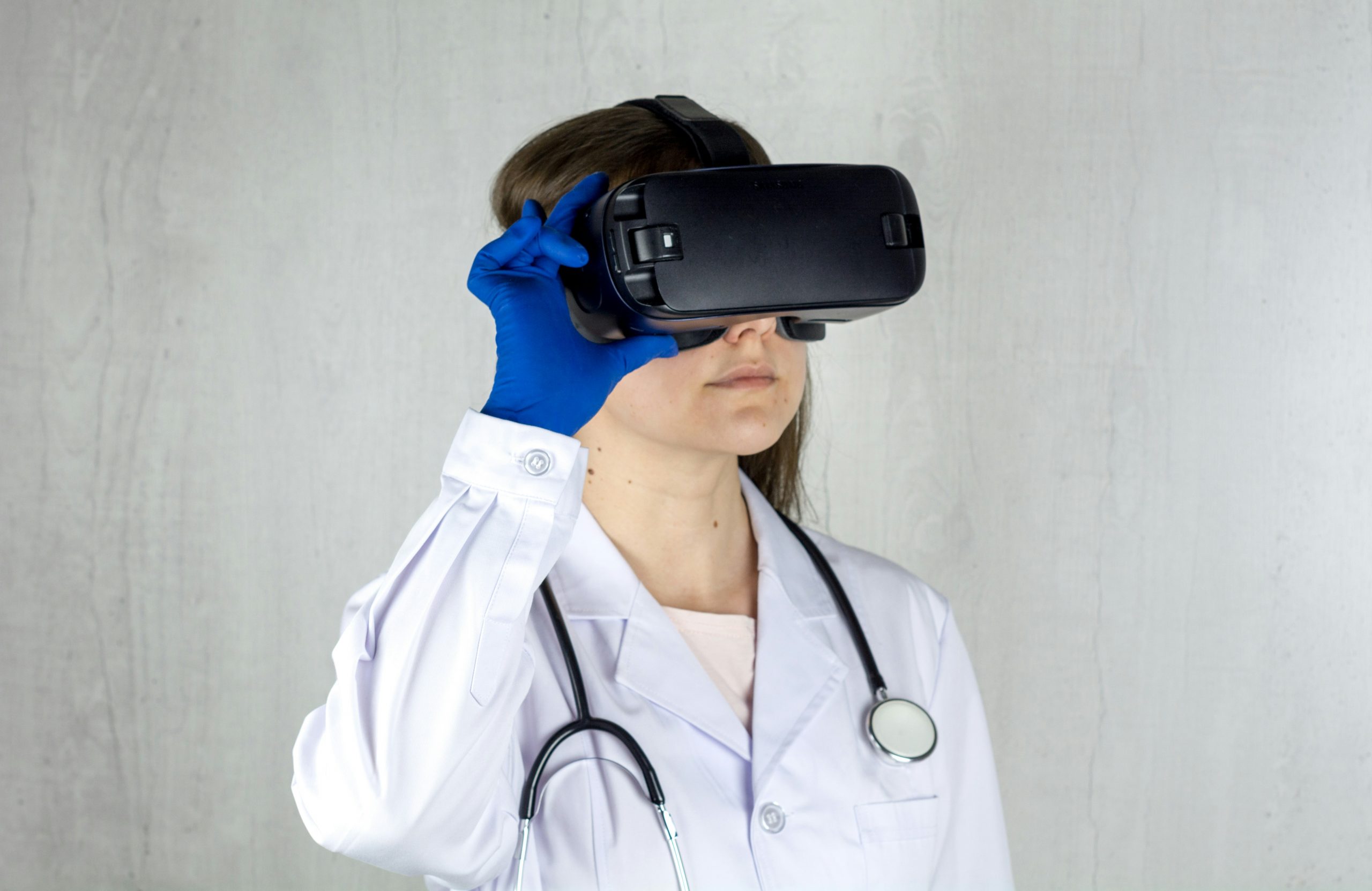
Engineered Personalized Medicine: From Biomimetic 3D Environments Design to XAI-Based Therapies
Team
Our team is composed by motivated people able to cover different areas of expertise.
Enrico Vezzetti
Full Professor – Director

Sandro Moos
Full Professor

Bartolomeo Montrucchio
Full Professor

Andrea Sanna
Full Professor
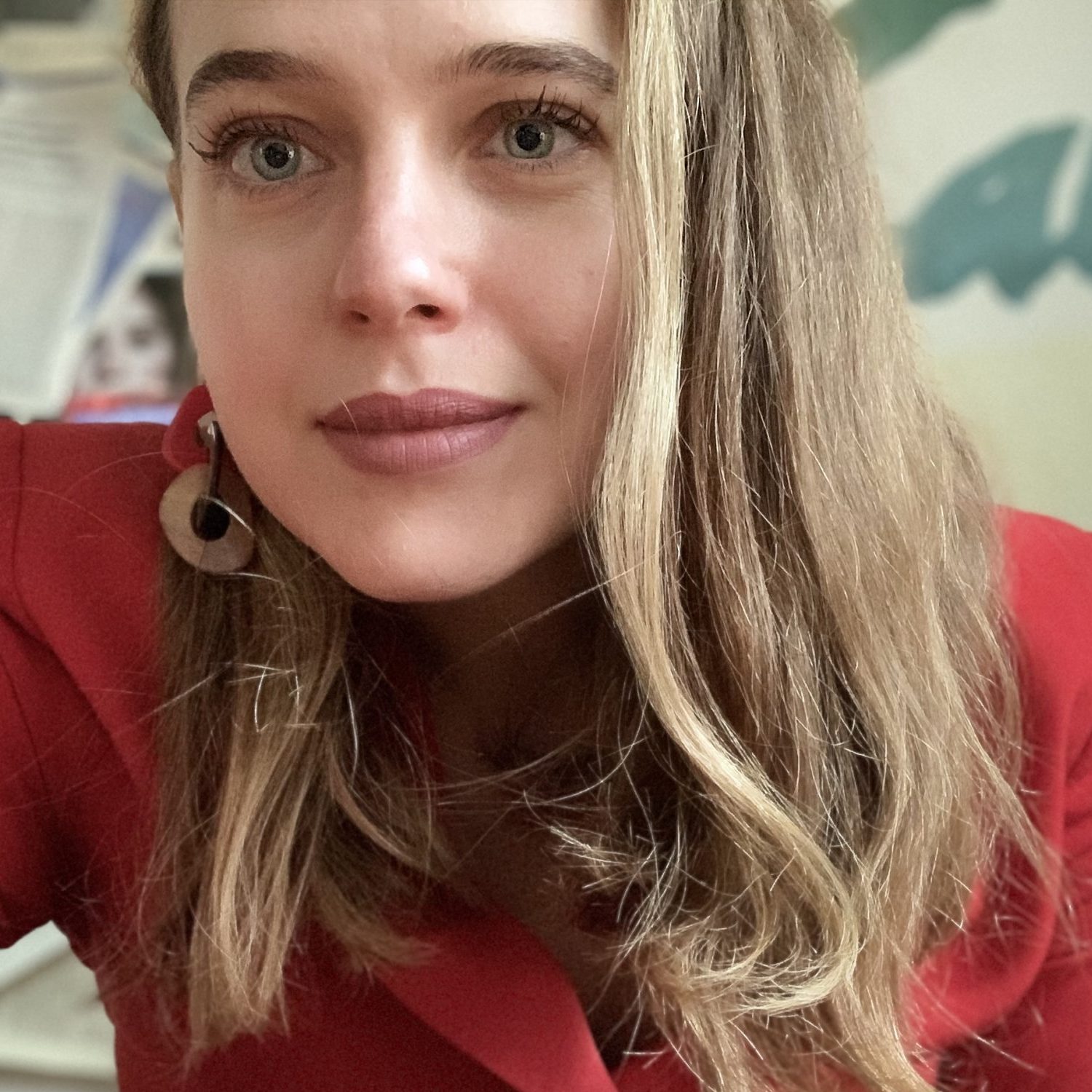
Federica Marcolin
Associate Professor
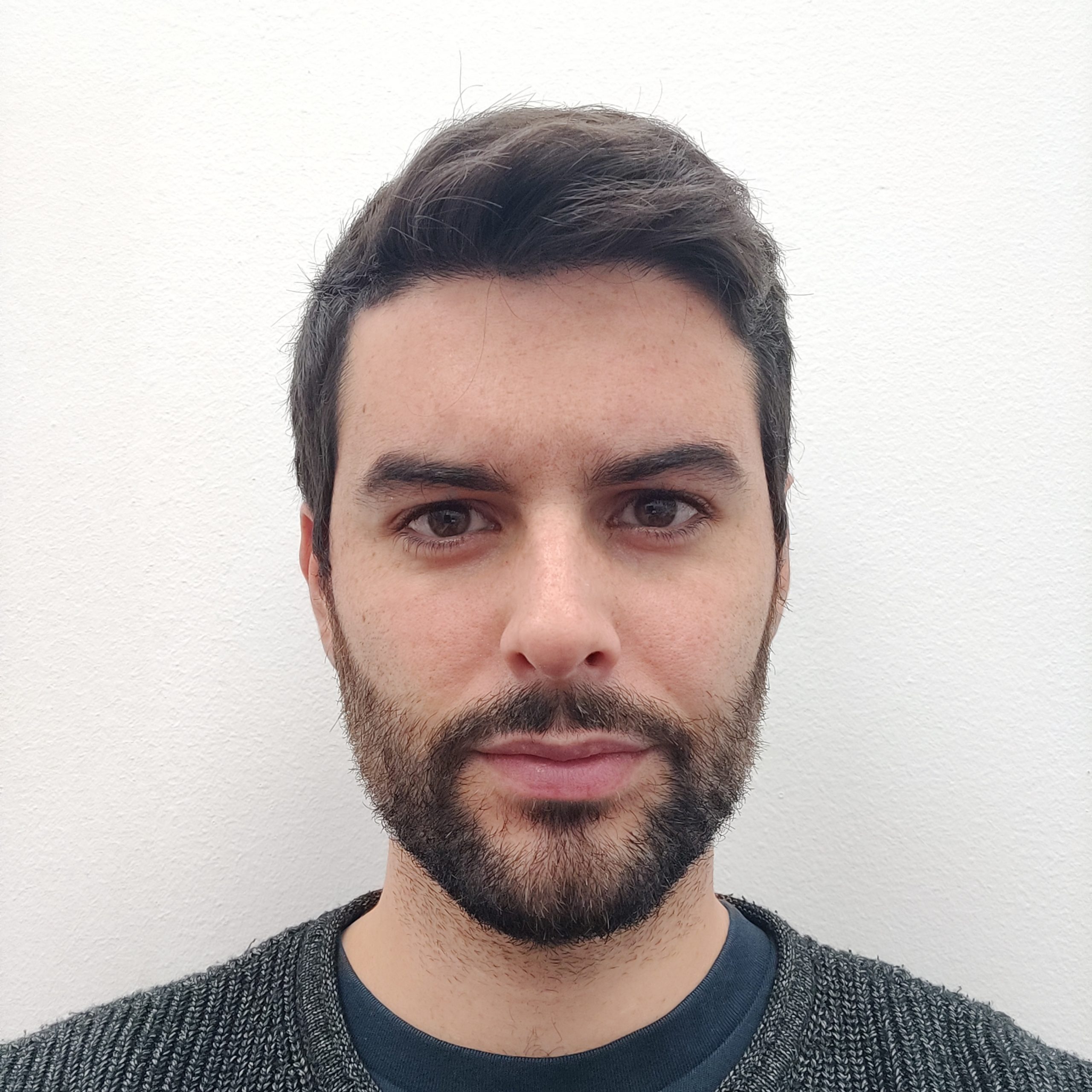
Luca Ulrich
Assistant Professor

Elena Olivetti
Assistant Professor
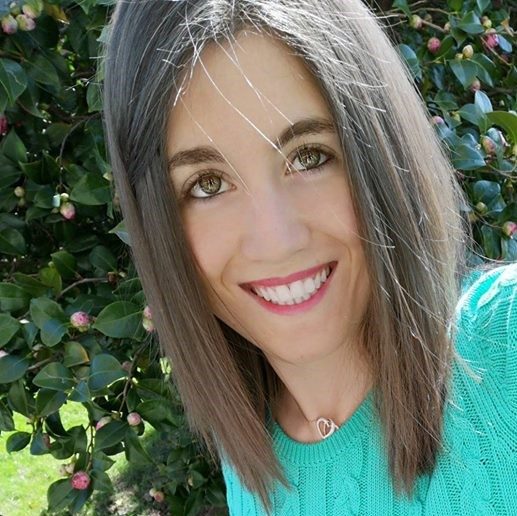
Francesca Nonis
Assistant Professor

Giorgia Marullo
Assistant Professor
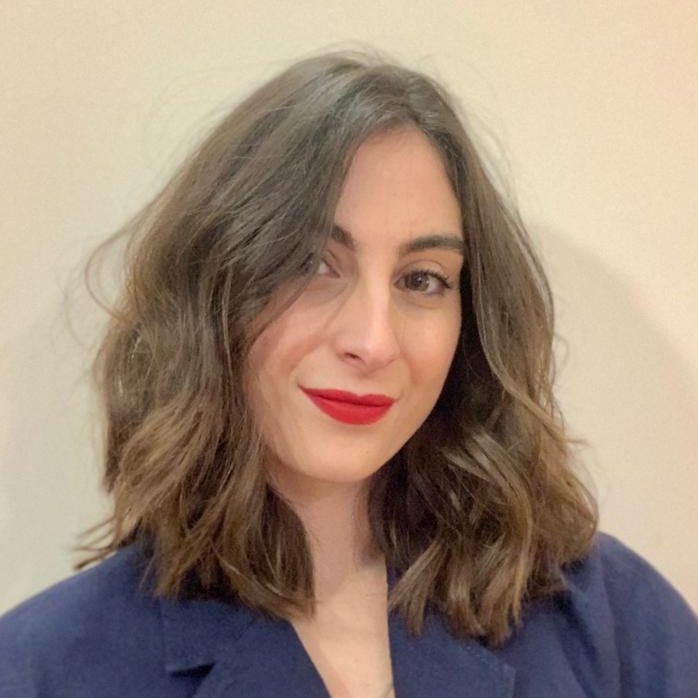
Chiara Innocente
Postdoctoral Researcher

Federico Salerno
Postdoctoral Researcher

Francesca Giada Antonaci
Ph.D. Student
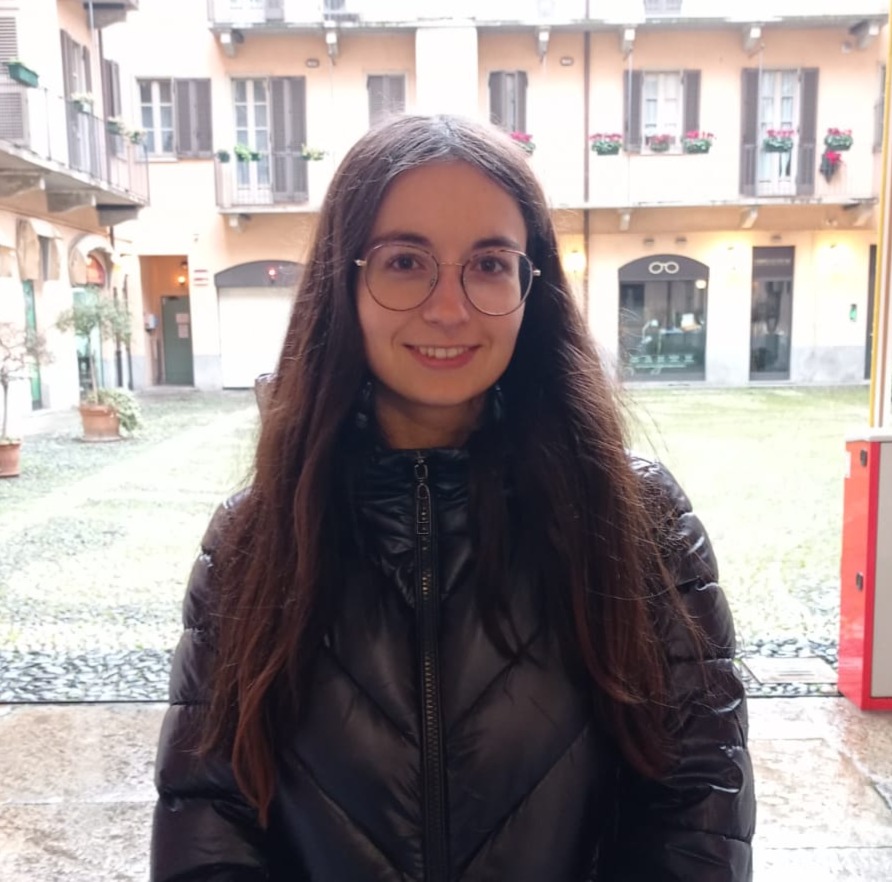
Rossella Ruggieri
Ph.D. Student
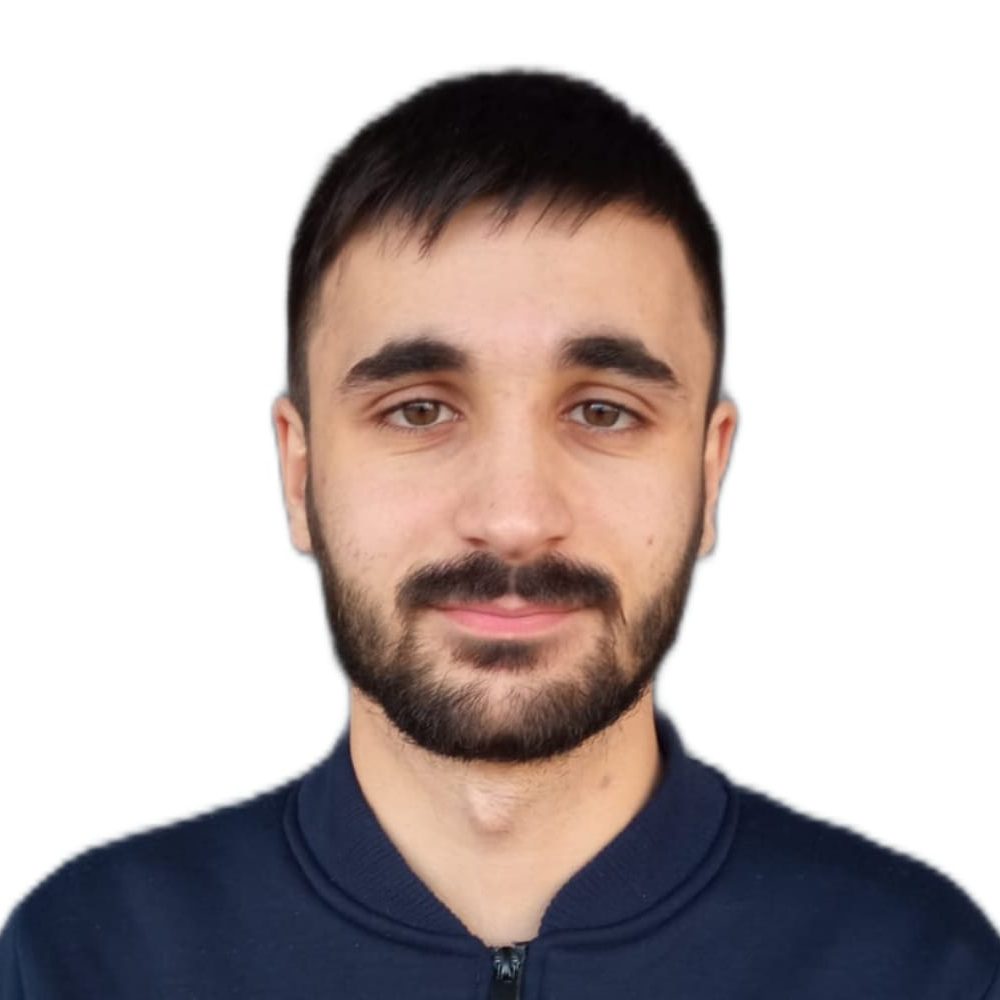
Antonio Lo Faro
Ph.D. Student
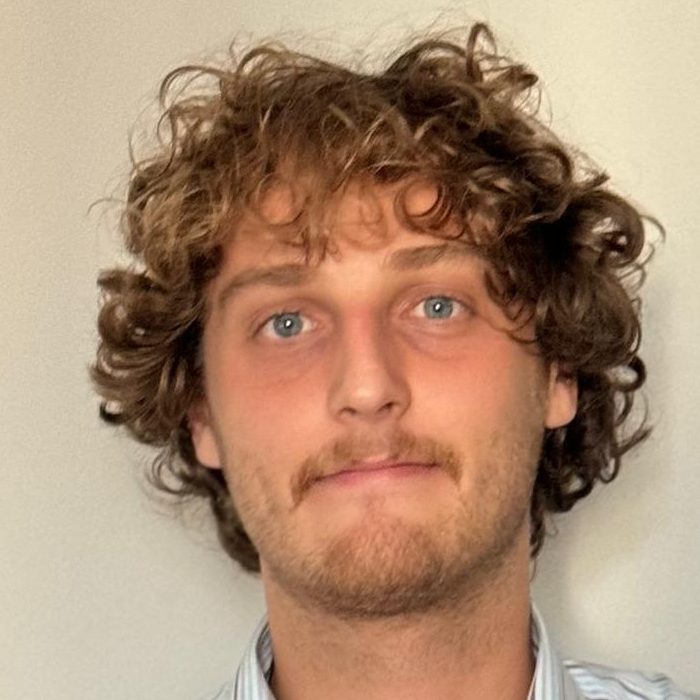
Edoardo Pelosin
Ph.D. Student
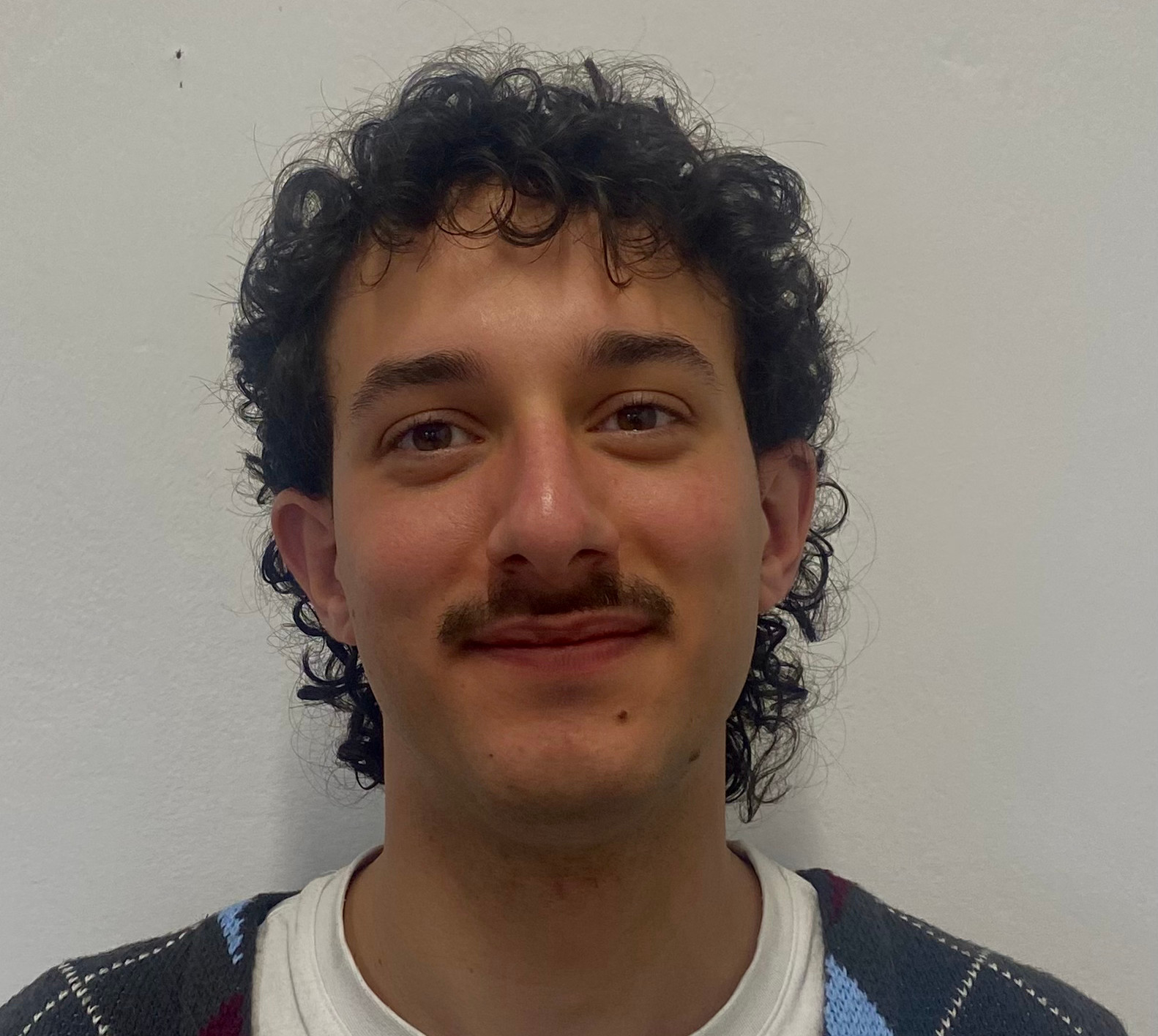
Carlo Parato
Ph.D. Student
Collaborations